Hedge Trimming in Shadwell: Keeping Local Gardens Smart, Healthy, and Well-Shaped
Hedge trimming in Shadwell is more than a quick outdoor tidy-up. It is a practical way to keep gardens neat, improve plant health, and maintain the clean, welcoming look that many homes and businesses want. Whether you own a compact courtyard, a suburban front garden, or a larger boundary hedge, regular hedge trimming helps plants grow in a controlled shape while reducing mess, overgrowth, and shading problems.
In a busy area like Shadwell, outdoor spaces often need to look attractive all year round. That is where hedge trimming in Shadwell becomes especially valuable. A well-managed hedge can define a property, create privacy, reduce noise, and make an immediate visual difference. At the same time, proper trimming supports healthier growth by removing dead, damaged, or uneven shoots.
From formal box hedges to tall boundary conifers, every hedge type benefits from the right technique, the right timing, and a consistent maintenance plan. Good hedge care is not just about appearance; it is about longevity, structure, and keeping plants in a condition where they can thrive through the seasons.
Why Hedge Trimming Matters in Shadwell

Hedges grow quickly, and without routine maintenance they can become overextended, lopsided, or unhealthy. In Shadwell, where properties often balance style with practicality, hedge trimming plays a key role in preserving curb appeal. A tidy hedge can make a property look cared for, while an untamed hedge may create a neglected impression.
There are also practical reasons to schedule regular hedge trimming in Shadwell. Overgrown hedges can block natural light, narrow walkways, and encroach onto pavements or driveways. They may also interfere with visibility, which can be important near entrances, corners, and shared boundaries. By keeping hedges in check, homeowners and property managers can avoid these common issues before they become more difficult to solve.
Health is another major factor. When a hedge is left too long without pruning, dense outer growth can prevent air and sunlight from reaching the inner sections. This can lead to weak growth, bare patches, and a structure that becomes difficult to restore. Timely hedge trimming helps preserve a balanced shape and encourages fresh growth from the base and sides.
Understanding the Local Need for Hedge Trimming in Shadwell
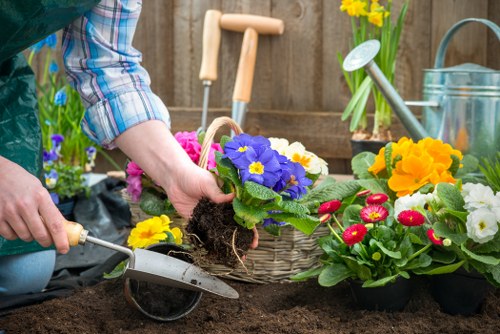
Shadwell has a distinctive mix of properties, outdoor layouts, and garden styles, which means hedge trimming needs can vary widely from one location to another. Some gardens have decorative hedges used to frame flowerbeds or patios, while others rely on thicker hedging for privacy and boundary marking. In each case, the objective remains the same: maintain a tidy, healthy, and attractive result.
Local weather patterns also affect hedge growth. Seasonal rainfall, mild temperatures, and occasional warm spells can encourage rapid development, especially in fast-growing species. That makes hedge trimming in Shadwell an ongoing task rather than a one-off job. Regular maintenance keeps growth steady and prevents hedges from becoming too heavy, top-heavy, or awkwardly shaped.
Another reason local hedge care is important is the effect on surrounding spaces. Well-trimmed hedges can make gardens feel larger and more open, while also protecting privacy and defining property lines. In urban or closely built areas, these benefits are especially noticeable. For many residents, hedge trimming is one of the simplest ways to keep an outdoor space looking polished throughout the year.
Common Hedge Types Found in the Area
Different hedge species respond differently to pruning, so it is useful to understand what may be growing in your garden or boundary line. Some of the more common hedge types that benefit from hedge trimming in Shadwell include:
- Box hedges for low, formal borders and neat edging.
- Privet hedges for fast growth and reliable screening.
- Laurel hedges for thick evergreen coverage and privacy.
- Conifer hedges for tall, dense screening.
- Beech hedges for seasonal colour and structured boundaries.
Each hedge type has its own trimming style, but all require care to avoid overcutting or damaging older growth. The best hedge trimming approach considers the species, height, intended shape, and season.
The Benefits of Regular Hedge Maintenance
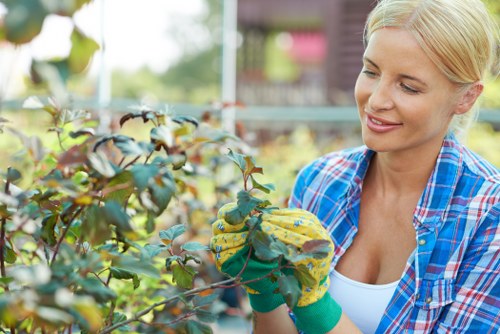
Routine hedge maintenance offers a long list of benefits, both visual and practical. First, it keeps the garden looking clean and intentional. A sharp, even hedge immediately improves presentation, making the entire property feel more organised. For homeowners preparing to host guests, sell a property, or simply improve everyday enjoyment, hedge trimming in Shadwell delivers a visible return.
Second, regular trimming supports stronger growth. When a hedge is cut correctly, it responds by producing fresh shoots and building density. This is particularly important for hedges that are used for privacy. A healthy hedge becomes fuller over time, offering better screening from neighbours, roads, and passers-by.
Third, hedge maintenance helps prevent expensive problems later. An overgrown hedge can become difficult to cut back, especially if it has not been maintained for years. In some cases, severe reduction can leave gaps or expose old wood that does not regrow well. By contrast, small and consistent trims are far less stressful for the plant and easier to manage.
Key Advantages at a Glance
- Improves garden appearance
- Promotes healthy, dense growth
- Enhances privacy and structure
- Reduces shading and overhang issues
- Makes future maintenance easier
Consistency is the real secret. When hedge trimming is done at regular intervals, the results are cleaner and the hedge remains easier to shape. This is why many property owners prefer an ongoing maintenance plan rather than waiting until a hedge is out of control.
Best Times for Hedge Trimming in Shadwell

Timing matters when it comes to hedge trimming in Shadwell. Different hedge species have different growth cycles, and cutting at the wrong time can affect flowering, nesting birds, or overall plant recovery. In general, many hedges benefit from trimming during active growing periods, but the exact schedule depends on the plant.
For many evergreen and formal hedges, light trimming several times during the growing season helps preserve a crisp finish. Faster-growing hedges may need more frequent attention, while slower-growing varieties may only require one or two main cuts each year. The key is to trim before the hedge becomes too dense or out of shape.
It is also important to avoid unnecessary cutting during periods when wildlife may be nesting. A responsible approach to hedge trimming in Shadwell should always consider the local environment and the condition of the hedge. Trimming should be planned carefully so the plant can recover well and continue growing in a healthy pattern.
Seasonal Considerations
Here is a simple seasonal overview that can help with hedge care:
- Spring: Ideal for checking winter damage and shaping early growth.
- Summer: Useful for maintaining a neat appearance during peak growth.
- Autumn: Good for final shaping before colder weather arrives.
- Winter: Best avoided for heavy cuts unless the hedge type and conditions allow it.
Every hedge is different, so the best timing depends on species, age, and the desired finish. A thoughtful schedule helps ensure hedge trimming in Shadwell remains effective and plant-friendly.
How Professional Hedge Trimming Improves Results

While some basic hedge cutting can be handled by homeowners, professional hedge trimming often delivers a cleaner and more consistent result. Experienced gardeners understand how to shape hedges evenly, avoid uneven cuts, and maintain the correct profile from top to bottom. This matters because the wrong trimming angle can create a hedge that is wider at the top than at the base, which can reduce light levels and weaken the lower growth.
A professional approach to hedge trimming in Shadwell also takes safety seriously. Tall hedges, thick growth, and awkward access points can make the job difficult for those without the right tools or experience. Trained specialists use suitable equipment and follow careful working practices to ensure the hedge is cut cleanly without unnecessary damage.
There is also a time-saving benefit. Many property owners lead busy lives, and hedge work can quickly become demanding, especially if multiple hedges or long boundary sections need attention. Hiring a professional allows the task to be completed efficiently, with less disruption and a more polished finish.
What Skilled Hedge Trimming Usually Includes
- Assessing hedge height, thickness, and health
- Selecting the right trimming method for the species
- Cutting evenly to preserve shape and balance
- Removing clippings and tidying surrounding areas
- Checking for damaged or diseased sections
With the right care, hedge trimming in Shadwell can transform the appearance of a property and improve the long-term condition of the plants. That combination of beauty and practicality is one of the main reasons this service remains in steady demand.
Hedge Trimming Techniques That Deliver Clean, Healthy Growth
Good hedge trimming relies on more than just cutting back visible growth. The shape of the cut, the angle of the sides, and the amount removed all affect how the hedge grows afterwards. A well-trimmed hedge should usually be slightly narrower at the top and broader at the base, allowing light to reach the lower branches and encouraging even growth.
For formal hedges, straight lines and symmetry are especially important. These hedges are often used near entrances, patios, and front gardens where neatness is essential. By contrast, informal hedges may be trimmed more lightly to preserve a softer, natural appearance. In both cases, the aim is to create a result that suits the property and the plant.
Another useful method is selective thinning, which removes a small amount of internal growth without radically changing the shape. This can improve airflow and reduce weight inside the hedge. It is particularly helpful for older, denser hedges that need more than a surface cut. In many cases, combining trimming with occasional thinning provides the best long-term outcome.
Tools Often Used for Hedge Care
Different tools are suited to different hedge sizes and textures. Common equipment includes:
- Hand shears for precision and detail work.
- Electric hedge trimmers for medium-sized hedges and regular shaping.
- Long-reach tools for tall or awkward hedges.
- Secateurs for small corrective cuts and finishing touches.
- Protective gear to improve safety and control.
Using the correct tool matters because it affects both the finish and the health of the hedge. Clean cuts help the plant recover more quickly, while blunt or unsuitable tools can tear stems and create stress. That is one reason professional hedge trimming in Shadwell often achieves such consistent results.
Signs Your Hedge Needs Trimming
Many property owners know their hedge needs attention when it looks untidy, but there are other signs to watch for as well. If the hedge is beginning to spill onto paths, obscure windows, or block light, it is likely due for maintenance. The same is true if the top is growing much faster than the sides or if the base is becoming sparse.
Another warning sign is a hedge that feels too dense to the touch. When the outer layer becomes too thick, inner growth can decline due to a lack of air and light. This often shows up as patchiness, brown sections, or branches that no longer look healthy. Regular hedge trimming in Shadwell can prevent this decline by keeping the structure open enough for the whole plant to thrive.
It is also worth looking at the overall line of the hedge. If it appears uneven, curved in the wrong places, or leaning outward, it may need more than a cosmetic cut. A corrective trim can restore shape and reduce future problems. The earlier you respond, the easier it is to bring the hedge back under control.
Common Clues to Watch For
- Branches extending onto pavements or driveways
- Reduced light reaching the garden or windows
- Uneven height or width
- Dead or brown interior sections
- Loss of privacy due to poor structure
Addressing these signs early can save time and preserve the hedge’s shape. If ignored, the problem may require heavier cutting later, which can be less effective and more stressful for the plant.
Keeping Hedgerows and Boundary Hedges Under Control
Boundary hedges are especially important in Shadwell because they define outdoor space, create screening, and shape the look of a property from the street. These hedges often grow larger than ornamental varieties, which means they need steady maintenance to stay manageable. Hedge trimming in Shadwell helps keep these boundaries clean, accessible, and visually balanced.
When a boundary hedge becomes too large, it can cast shade over lawns, limit usable garden space, and create tension between neighbouring properties. In some cases, it can also make access for maintenance more difficult. A regular trimming schedule avoids these issues and keeps the hedge in a controllable state.
For shared boundaries, careful trimming is even more important. A hedge that is well maintained on both sides usually looks better and causes fewer disputes. Even if only one side is being managed, the hedge should still be cut in a way that preserves balance and supports healthy regrowth. Neat edges and consistent height make a big difference to the overall effect.
Practical Tips for Boundary Hedges
- Trim little and often instead of waiting for major overgrowth.
- Keep the hedge slightly narrower at the top.
- Check both the front and back sides where possible.
- Remove dead material as part of the trim.
- Plan maintenance around the hedge’s natural growth rate.
These simple steps can make hedge trimming in Shadwell far more effective and help boundary hedges remain attractive for years.
Hedge Trimming and Garden Design
Hedges are not just functional barriers; they are also important design features. In many gardens, they create structure, frame views, and add depth to planting schemes. A well-trimmed hedge can make a small garden feel more ordered and elegant, while also helping other plants stand out. For that reason, hedge trimming in Shadwell often forms part of a wider garden presentation strategy.
Design-focused trimming can bring out the best in the landscape. Straight, formal lines work well in contemporary spaces, while softer, rounded edges may suit traditional gardens. The right finish can make paths appear cleaner, borders look more defined, and seating areas feel more enclosed and private.
For larger gardens, a combination of hedge heights can create layers and visual interest. Lower hedges can divide planting zones, while taller ones provide screening and shelter. These elements work best when all hedges are maintained regularly and cut to the appropriate shape. That is why so many garden owners prioritise professional hedge trimming as part of regular upkeep.
A Few Styling Ideas
- Formal lines for a crisp, modern appearance.
- Rounded profiles for softer, more natural gardens.
- Layered hedging to create depth and privacy.
- Low clipped borders to highlight flowerbeds and paths.
Whether the goal is a polished entrance or a secluded outdoor retreat, hedge trimming in Shadwell can support the overall design and improve how the space feels as well as how it looks.
Safety, Tidiness, and Responsible Hedge Care
Safe hedge trimming is essential, especially when ladders, tall growth, or roadside visibility are involved. A responsible service considers not only the final shape but also how the work is carried out. This includes keeping the work area clear, controlling loose clippings, and making sure tools are used properly throughout the job.
Tidiness is another important part of the process. A hedge trim should leave the garden looking better, not cluttered with debris. Careful cleanup ensures pathways, borders, and lawns remain usable straight away. This finishing detail is one reason many people prefer professional hedge trimming in Shadwell rather than handling every aspect themselves.
Responsible hedge care also means respecting plant health and local surroundings. A hedge should never be cut back so severely that it struggles to recover unless that kind of renovation is genuinely required and suitable for the species. Balanced pruning helps maintain beauty, structure, and ecological value. Healthy hedges support birds, insects, and the garden ecosystem, so good trimming practices benefit more than just appearance.
In the end, hedge trimming in Shadwell is about finding the right balance between control and growth. When done well, it supports the plant, improves the property, and keeps the garden looking fresh through every season.
Choosing the Right Approach for Hedge Trimming in Shadwell
The best hedge trimming approach depends on the age, type, and purpose of the hedge. A decorative border hedge needs careful shaping, while a tall privacy hedge may need a stronger but still measured cut. The important thing is to match the technique to the plant and the property’s needs.
Some homeowners prefer light, regular maintenance so the hedge always looks neat. Others may need a more corrective service if the hedge has been neglected for a while. Either way, the aim is to restore balance and create a finish that is both attractive and sustainable. With the right approach, hedge trimming in Shadwell can transform neglected growth into a feature that adds value and order.
If you are planning work on your hedges soon, now is a great time to assess their condition. Look at the shape, density, and height, then decide whether a simple tidy-up or a more substantial trim is needed. For larger or more challenging hedges, professional help can save time and produce better, safer results. Contact us today to arrange expert hedge trimming, or book your service now to keep your garden looking its best.
Regular hedge trimming in Shadwell is one of the simplest ways to protect the appearance and health of your outdoor space. With consistent care, the results can be long-lasting, practical, and highly attractive.

