Health and Safety Policy for Landscapers Shadwell
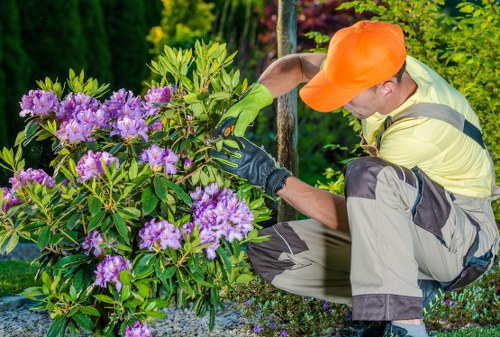 This health and safety policy sets out how landscapers in Shadwell and surrounding service areas will manage risks, protect workers, and maintain safe conditions for clients, the public, and contractors. Our approach is built on clear procedures, sensible supervision, and a steady commitment to preventing harm during all landscaping activities, from routine maintenance to larger outdoor projects.
We recognise that landscaping work can involve moving machinery, manual handling, working near traffic, using sharp tools, handling waste, and operating in changing weather. Because of this, every job must be planned with safety in mind. Safe working is not treated as an extra step; it is part of how the work is delivered. All team members are expected to follow company rules, use equipment properly, and report concerns immediately.
 This policy applies to all employees, self-employed workers, subcontractors, and anyone acting on behalf of the company. It covers work carried out at private homes, commercial sites, communal spaces, and other outdoor locations within our service area. The policy also supports a consistent standard of work for a landscaping company in Shadwell, helping ensure that even busy or rubbish-heavy sites are handled in a controlled and professional way.
Our Safety Commitments
We will identify hazards before work begins and review conditions throughout the job. Site checks help us understand issues such as uneven ground, hidden debris, poor access, unstable structures, or contamination from waste. Where required, work will be paused until hazards are removed or reduced. Risk assessment is essential for every project, especially where gardens, yards, or outdoor plots contain rubbish, broken materials, or unmanaged growth.
All workers must receive suitable information, instruction, and supervision. Equipment will be maintained in safe condition, and only trained personnel may use machinery or specialist tools. Protective clothing and personal protective equipment must be worn as required by the task. This may include gloves, eye protection, safety footwear, hearing protection, high-visibility clothing, and dust control measures where relevant.
 We also require safe loading, lifting, and disposal practices. Heavy waste, soil, timber, and green material must be handled using proper techniques to reduce strain and injury. When clearing rubbish or carrying out garden clearance work, sharp objects, contaminated items, and unstable piles must be treated with extra caution. All waste should be segregated responsibly and removed in line with environmental expectations and site rules.
Responsibilities of the Company and Workers
The company is responsible for providing a safe system of work, suitable equipment, and competent supervision. Managers must ensure that tasks are properly planned, especially where work involves access constraints, public areas, or difficult ground conditions. Where necessary, traffic awareness measures, barriers, or warning signs will be used to protect workers and others nearby.
Workers are responsible for following instructions, using equipment correctly, and keeping work areas tidy. A clean site reduces slips, trips, and cuts, and supports efficient rubbish clearance. Materials, tools, and waste must not be left in pathways, driveways, entrances, or shared spaces. Any damaged tool, leaking machine, or unsafe condition must be reported immediately and taken out of use if needed.
We expect a respectful and attentive attitude from all team members. Fatigue, rushing, and poor communication can lead to accidents, so jobs should be carried out at a steady pace with clear coordination. When working near members of the public or property occupants, workers should maintain awareness, avoid unnecessary noise or disruption, and use safe distance practices.
Safe Working Methods
Before any task begins, the team should confirm the scope of work, identify hazards, and agree on the safest method. Where weather conditions are poor, surfaces are slippery, or visibility is reduced, work may need to be adjusted or postponed. Weather awareness is particularly important in landscaping, as rain, wind, heat, and cold can all affect safety and performance.
Machinery and hand tools must be checked before use. Guards, blades, cables, fuel systems, and moving parts should be inspected to ensure they are functioning properly. Tools must be stored securely when not in use, and refuelling or charging should only happen in suitable conditions. Dust, noise, and vibration must be controlled as far as reasonably practicable, with breaks and rotation used where needed.
When dealing with rubbish, garden waste, or accumulated debris, workers must look out for hazardous items such as broken glass, needles, chemicals, animal waste, or concealed metal. Suspect items should not be handled casually. If dangerous materials are found, the area should be isolated and the situation escalated through the correct internal process. This is especially important for rubbish clearances in mixed residential and commercial settings.
Incident Reporting and Review
 All accidents, near misses, injuries, and unsafe conditions must be reported promptly so that corrective action can be taken. Early reporting helps prevent repeat incidents and supports continuous improvement. Records will be kept where appropriate, and the policy will be reviewed regularly to reflect changing work practices, equipment, and legal expectations.
Training will be refreshed when needed, particularly when new machinery, methods, or site conditions are introduced. Supervisors will monitor compliance and reinforce expectations through routine checks. If a worker does not understand a task or believes conditions are unsafe, they must stop and ask for guidance rather than continue unsafely.
We are committed to maintaining a practical and reliable safety culture across all landscaping activities. Whether the task involves mowing, pruning, planting, driveway edging, or clearing a rubbish-filled outdoor area, the same standards apply: plan carefully, work safely, and protect people and property at every stage.
 In summary, this policy exists to support safe, efficient, and responsible work by a landscaping provider in Shadwell and across our wider service area. By combining risk control, good housekeeping, proper training, and accountable supervision, we can deliver quality results while reducing harm, preventing incidents, and maintaining a professional standard on every site.

